MINNESOTA & WESTERN WISCONSIN'S PREFERRED SBA LENDER
Thinking about buying a business? Start here.
Straight answers on SBA financing from Ann Franklin, our SBA Lending Specialist and a former SBA underwriter. Read her step-by-step guides, then call before you have a deal. She'll help you figure out what you can buy and how to fund it.
Preferred Lender
in-house SBA approval
Minnesota & Western Wisconsin
statewide lender network
200
loan-years of experience
56 Years
lending in Minnesota & Wisconsin

Woman-Owned Loans
Veteran-Owned Loans
Member FDIC
Equal Housing Lender
MN & WI Owned & Operated
How-To Guide
Know before you borrow
Practical, step-by-step guides from Ann Franklin, Scale's SBA Lending Specialist and a former SBA underwriter. Just starting to look? Begin with step 1.
Step 1 · Just starting to look
Buying the RIGHT business: 10 questions to ask first
The questions to ask yourself before you get into the numbers or submit a letter of intent.
Step 2 · Sizing your search
How much SBA financing can I qualify for?
The honest answer is "it depends." Here is what it depends on, so you can target the right size business.
Step 3 · Your down payment
Know where your equity injection is coming from
8 common sources of SBA-eligible down payment money, and why to confirm yours before you sign an LOI.
Step 4 · Making your case
Your transferable experience: why you are the right buyer
How to show a lender you can lead the business, even without direct industry experience.
Step 5 · Planning for closing
How much money do I need left over after closing?
Why your cash cushion after closing matters as much as your down payment.
Step 6 · In underwriting
How to get through SBA underwriting faster
8 tips from a former SBA underwriter for less back-and-forth and a smoother approval.
No deal yet? Perfect.
Talk to Ann before you have a deal.
The best time to call an SBA lender is while you're still looking, not after you've signed an LOI. No application and no commitment. Just a conversation about where you stand, so you can shop for a business with confidence.
Find your range
A realistic sense of the size of business you can buy, before you fall for one.
Check your down payment
Confirm your equity injection source works for the bank and the SBA.
Shape your story
How a lender will see your experience, and how to fill any gaps.
How a deal moves through Scale
1
Intro call
Tell us what you're looking for, deal or no deal yet. We'll give you an honest read on fit and what comes next.
2
Discovery & proposal
We work closely with you to gather the details, talk through structure, and put together a term sheet.
3
Underwriting & approval
SBA Preferred Lender status means the final yes happens here, not at a distant committee.
4
Closing
We coordinate directly with every party involved, from attorneys to title companies, and guide you all the way to the closing table.
Our rates are competitive. The experience is what sets us apart.
Every lender can quote a number. Here's the difference that actually shows up.
Scale Bank
✓
In-house Preferred Lender approval
✓
A local banker who answers the phone
✓
Fixed and variable rate options, with flexibility because your loan stays with us
✓
Years of local SBA lending expertise, not just a form
✓
Clear, honest updates at every step, so nothing stalls
✓
Work directly with decision makers, not application assistants
Big Banks & Online Lenders
✕
Reviewed by an out-of-state underwriting queue
✕
A call center, not a name
✕
Great at online applications, thinner on lending expertise
✕
Your contact changes call to call, no continuity
✕
Timelines measured in weeks and months
SBA 7(a) vs. 504: Which loan fits your deal?
Not sure which one fits? Ann will help you structure it.
An SBA loan is partially guaranteed by the U.S. Small Business Administration, which typically means a lower down payment, a longer repayment term, and more flexible underwriting than conventional financing. Because Scale is an SBA Preferred Lender, we approve and fund these loans in-house, without sending your buyer's file out for sign-off.
SBA 7(a) Loan
Best for
Business acquisitions, working capital, expansion, equipment, and commercial real estate
Loan amount
Up to $5 million
Term
Up to 10 years (longer terms available if real estate is included)
Down payment
As low as 10%, depending on structure
SBA 504 Loan
Best for
Owner-occupied real estate and major fixed-asset purchases
Loan amount
Up to $9+ million combined with the bank portion
Term
Up to 25 years
Down payment
As low as 10%
Figures are general SBA program guidelines and vary by deal. Every structure is confirmed during underwriting.
Why business owners and brokers trust Scale
Real people. Real conversations. Real experience. No call centers, no scripts.
In-house approval authority
As an SBA Preferred Lender, we don't need direct SBA approval. Your loan is approved right here, so there's no extra wait.
Competitive, straightforward pricing
“Scale Bank has competitive rates and fees as anyone”
Ian Cameron, Ironwood Outdoor
Clear on requirements, every step
“Always clear about who needed which requirements and where they're coming from.”
Ian Cameron, Ironwood Outdoor
A team that makes it fit
“Scale is the first bank that really gets it. They were interested in the story. They wanted to hear what my situation actually was instead of putting me in a box. They heard what was going on inside the company and wanted to dig in and find something that worked for both of us.”
Jim Fingerman, Iron Tortoise and Pilgrim Cleaners
Is your deal a fit for Scale?

Common deal types
Real estate purchase
Business acquisition
Partner buyout
Equipment
Working capital
Refinance
Startup financing
Expansion & renovation
The SBA advantage
Lower down payments than conventional financing
Longer terms and amortization
Flexible collateral requirements
Have a deal in underwriting? Let's talk.
You'll be working directly with Ann Franklin, your SBA Lending Specialist, not a call center.
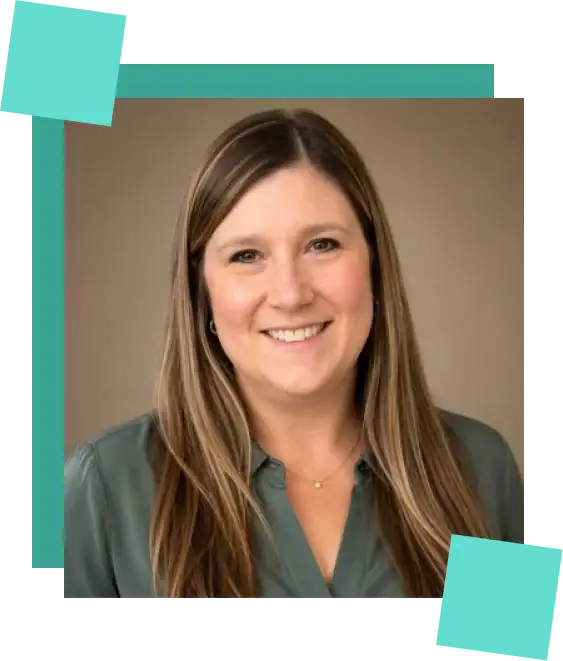
“I'd rather over-communicate on requirements than have a surprise show up during underwriting.”
Ann Franklin · SBA Lending Specialist
ann.franklin@scale.bankDeals Scale has helped close

Client story
How Ian Cameron Knew He Was on the Right Path
A former Marine officer evaluated a dozen lenders before choosing Scale to finance his acquisition of Ironwood Outdoor: on rate, responsiveness, and in-house approval.
Read the story →
Client story
Five Banks in Thirty Years. One That Finally Got It.
After 30 years and five banks, Jim Fingerman, third-generation owner of Iron Tortoise and Pilgrim Cleaners, moved his business and personal banking to Scale: the first bank that wanted to hear his story instead of putting him in a box.
Read the story →Common questions about SBA loans
Getting Started
When is the best time to talk with a bank about financing a business acquisition with an SBA loan?
It is never too early. You do not need to have the perfect business picked out before calling us. An early conversation can help you understand what you may be able to afford, how the financing works, and what you can do now to prepare.
I’ve heard SBA loans are a nightmare. Is that true?
SBA loans do require more documentation, but they should not feel like a second full-time job. An experienced SBA lender will explain what is needed, help you stay organized, and guide you through the process one step at a time.
How can I prepare to buy a business?
Start by reviewing your credit, gathering your tax returns and financial information, and updating your resume. A little organization on the front end can save a lot of scrambling later.
How do I know what size of business I can afford to buy?
It depends on your personal finances, experience, and the business’s ability to repay the loan. We can help you establish a realistic price range before you spend months looking at businesses that are not the right fit.
Understanding the Financing Structure
How much money will I need to buy a business?
Many acquisitions require the buyer to contribute around 10% of the total project cost, although some transactions require more. You should also plan to keep money available after closing. Putting every last dollar into the deal is rarely the best plan.
What does “equity injection” mean?
An equity injection is your financial contribution to the transaction. You may also hear it called your down payment or “skin in the game.” We can explain which sources may qualify and how the funds need to be documented.
What fees are typically involved with an SBA loan?
Fees may include an SBA guaranty fee, closing costs, legal expenses, packaging fee and third-party reports such as a business valuation. Some eligible costs may be included in the total project financing, so you may not need to pay every expense out of pocket.
What does a typical business acquisition financing structure look like?
A typical structure will include your equity contribution, SBA loan, usually a seller note and sometimes other sources of financing. There is no one-size-fits-all formula. The right structure depends on you, the business, and the details of the transaction.
Can the seller help finance the transaction?
Yes, a seller note is almost always included as part of the financing structure. The bank will need to review its terms, and the note may need to meet specific SBA requirements.
Eligibility and Borrower Qualifications
What types of businesses may qualify for SBA financing?
Many small, for-profit businesses operating in the United States may qualify. Eligibility depends on the business’s industry, size, ownership, location, use of funds, and ability to repay the loan.
Do I need direct industry experience?
Not always. Strong leadership, management, sales, financial, or operational experience can transfer well to a new industry. The key is showing how your experience prepares you to lead the business successfully.
Can a business with declining revenue or other risks still qualify for financing?
Possibly. A challenge does not automatically mean the deal is dead. We will want to understand what caused the issue, whether it is temporary or ongoing, and what the plan is to move the business forward.
What does the SBA guaranty mean for me as the borrower?
The SBA guaranty protects the lender against a portion of a potential loss. It does not reduce your responsibility to repay the loan. You and any required guarantors remain responsible for the debt.
What does the bank look for in someone buying a business?
The bank looks for relevant or transferable experience, financial responsibility, available cash, and a thoughtful plan for running the business. You do not need to know everything on day one, but your background and plan should show that you are prepared to step into ownership.
Can I keep my current job after buying a business?
It’s generally not advised. The bank will want to understand who will manage the business each day, how involved you will be, and when you expect to transition into the business. A vague “we’ll figure it out” plan is usually not enough, but a well-thought-out transition plan may work.
Will I have to pledge my home as collateral?
Possibly. It depends on the available business collateral, the equity in your home, and the overall loan structure. We can review your specific situation and explain what may be required before you get too far into the process.
Choosing an SBA Loan and Lender
Why might I choose an SBA loan instead of a conventional business loan?
SBA financing may allow for a lower down payment, a longer repayment period, or more flexibility when the business does not have enough physical assets to fully secure the loan. We can compare the options and help you understand the tradeoffs, not just hand you a loan product and wish you luck.
What is the difference between an SBA 7(a) loan and an SBA 504 loan?
SBA 7(a) loans offer flexible financing for various types of business acquisitions, working capital, equipment, and owner-occupied real estate. SBA 504 loans are primarily designed to finance eligible owner-occupied real estate and major equipment. The best program depends on what you are financing and what you need the loan to accomplish.
Does the SBA lend me the money, or does the bank?
For an SBA 7(a) loan, the bank provides the money and the SBA guarantees an eligible portion of the loan. You apply through and work directly with the lender throughout the process.
Are SBA loan interest rates higher than conventional loan rates?
Not necessarily. Rates depend on the loan structure, use of funds, repayment period, market conditions, and overall risk. The interest rate is important, but it should be considered alongside the down payment, term, monthly payment, and flexibility of the loan.
What does it mean to work with a Preferred Lender, or PLP lender?
A Preferred Lender, like Scale Bank, has authority to make certain SBA loan decisions within the bank. This can help streamline the process, but it does not mean the bank gets to skip the rules. The loan must still meet the bank’s credit standards and SBA requirements.
Why am I receiving different information from different SBA lenders?
SBA lenders work within the same program SOPs, but every bank has its own credit policies, experience, and risk tolerance. A good lender should clearly explain which requirements come from the SBA, which come from the bank, and why they matter. You should not need a decoder ring to understand the answer.
SBA programs, eligibility requirements, fees, rates, collateral requirements, and loan terms are subject to change. All loans are subject to credit approval, SBA eligibility, and the bank’s lending requirements.
Have a loan
need? Start here.
Send over the basics and an SBA lending specialist will follow up within one business day with next steps.
"*" indicates required fields
Note: Do not share sensitive information (such as account numbers, tax returns, Social Security numbers, etc.) via this form. For such documents and information, we can reply to your submission and send you a secure link as a safeguard.